
RARE DISEASES CLINICAL RESEARCH NETWORK
Network for Advancing Sex Chromosome Aneuploidy Research Readiness |  |
Helping people with sex chromosome aneuploidies (SCAs)—a group of conditions in which an individual has either extra or missing X and/or Y chromosomes present in the cells of their body—live healthier lives. | |
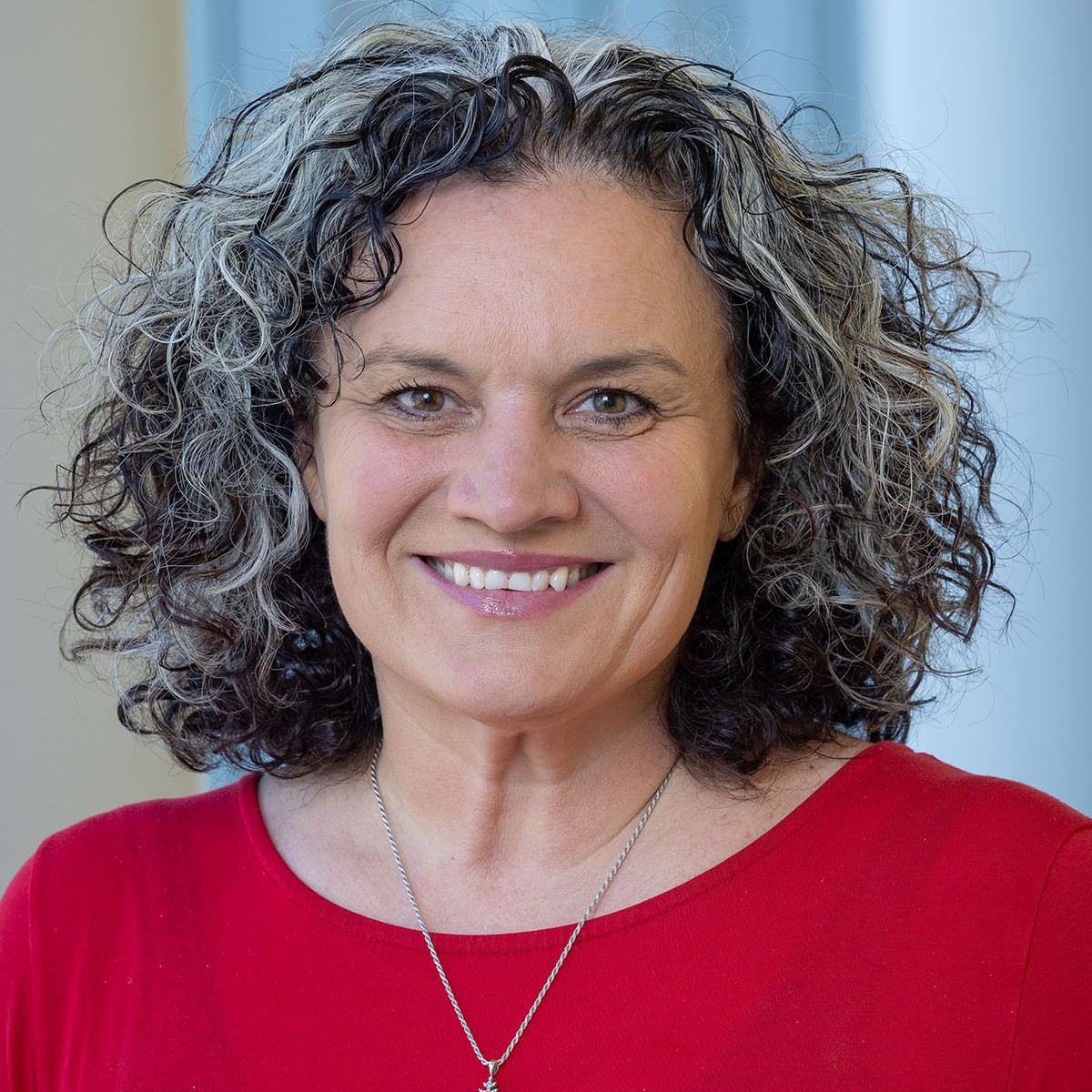
Principal Investigator
University of Colorado Anschutz School of Medicine
THE
NUMBERS


TOP PUBLICATION
JOURNAL: American Journal of Medical Genetics
DOI: 10.1002/ajmg.a.64214
Although SCAs are the most common chromosomal abnormality, they are often underdiagnosed. Research in SCAs has been limited by over-representation of more severely impacted individuals in clinical studies, as well as low geographic and demographic diversity.
In this study, led by Dr. Shanlee Davis, researchers partnered with the SCA community to create a patient registry to improve health outcomes for individuals with SCAs. The Generating Advancements in Longitudinal Analysis in X and Y variations (GALAXY) Registry helps advance SCA research by collecting, storing, and analyzing clinical data from SCA patients with extra X and/or Y chromosomes.
To date, GALAXY includes hundreds of participants with a verified diagnosis of SCA. Next, researchers plan to recruit more individuals from underrepresented groups, extract medical record data into the registry, expand internationally, and continue to engage with the SCA community. Authors note that the GALAXY Registry is a powerful resource for future patient-centered clinical research.
In addition to the GALAXY Registry featured in the publication, the NASCARR consortium has also partnered with advocacy groups and families to create the InsighTS Registry. The InsighTS Registry includes over 900 individuals with Turner syndrome, a group of SCA conditions characterized by a missing X chromosome and variations of mosaicism or structural abnormalities of the X chromosome.
What was your consortium's most significant achievement from the past year?
Shanlee Davis, MD, PhD, Project 1 (InsighTS/GalaXY) Principal Investigator, NASCARR: Enrollment numbers in our natural history studies: InsighTS and GalaXY exceeding our goals, currently with >1500 participants!

EARLY CAREER INVESTIGATOR SPOTLIGHT
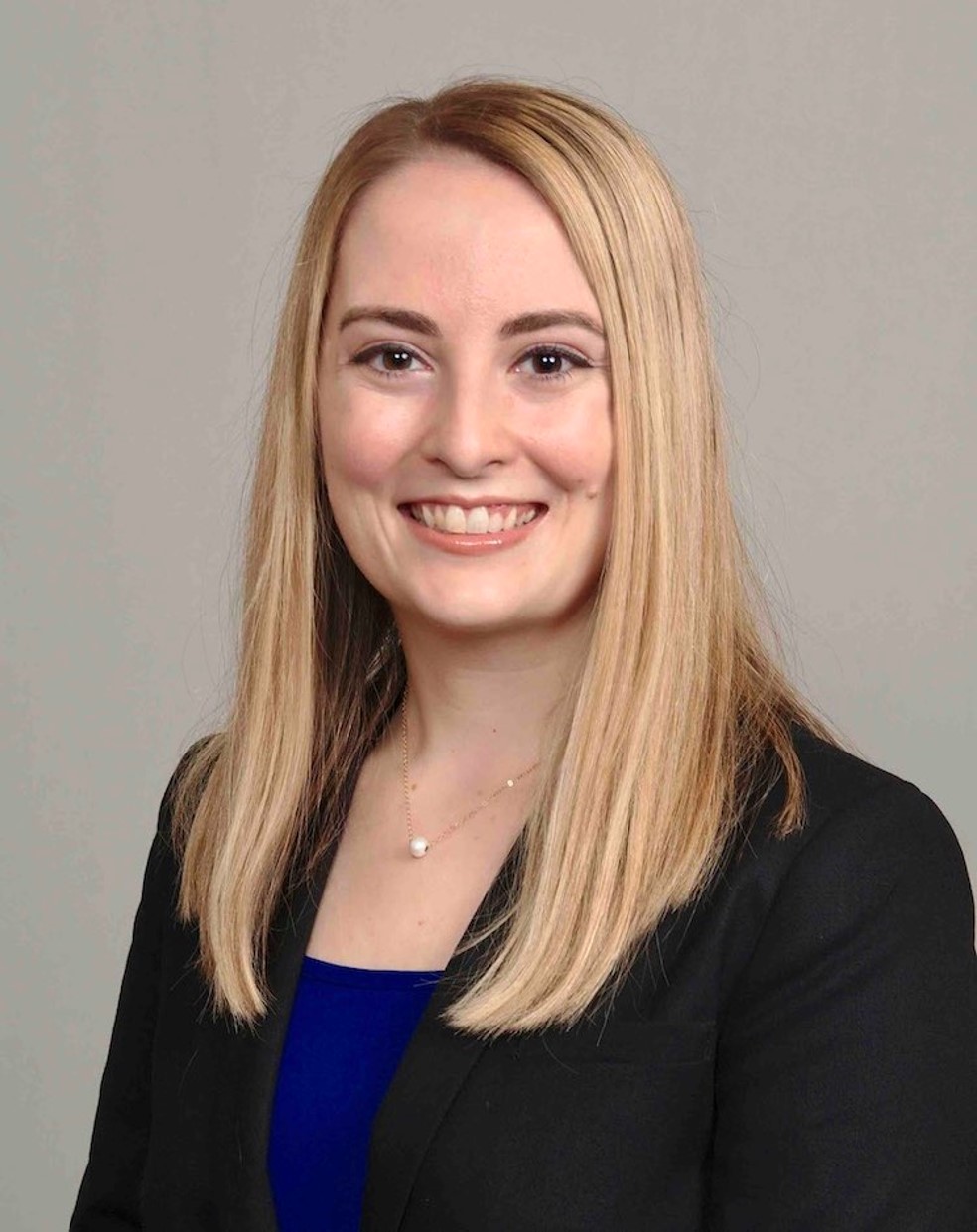
What are your research goals?
Dr. Farrell: My primary research interest is in Turner syndrome (TS), and I also am interested in hypoglycemia disorders. My interest in Turner syndrome stems from my own diagnosis of mosaic TS. I have a very close understanding of the research needs in the TS community, and my goal for my research and career is to help foster the connection of the TS community with the scientific community.