
By Sinéad Zalitach
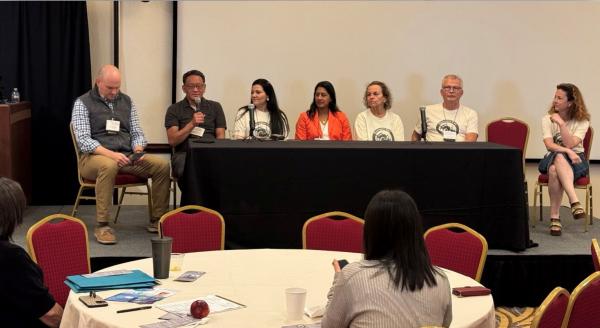
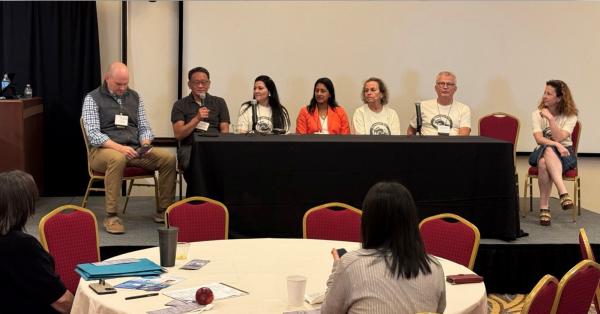
In May 2026, I attended the International Society for the Study of Vascular Anomalies (ISSVA) World Congress in Philadelphia as a patient advocate, and I was given a once-in-a-lifetime opportunity to participate in genetic testing research.
After spending much of my life misdiagnosed with Klippel-Trenaunay syndrome (KTS) and later receiving a phenotypic diagnosis of Parkes Weber syndrome based on my clinical presentation, I had spent years hoping for genetic answers, but wasn't sure I'd ever have access to the testing that could provide them.
That opportunity came about because of a physician who did more than simply acknowledge the gaps in my care. She took the time to listen, recognized the importance of obtaining genetic answers, and explored options beyond the traditional clinical pathways that had been unavailable to me. Rather than accepting those limitations, she connected me with a research opportunity and advocated for my participation. Her willingness to think outside the box and follow through made something I had spent years hoping for possible.
Fast forward to July 2026, at the K-T Support Group conference, where that same physician was able to share my results with me. After years of unanswered questions, I finally had a genetic answer: a pathogenic variant in RASA1, consistent with my diagnosis of Parkes Weber syndrome.
It's difficult to put into words what that moment meant. The results didn't change the reality of living with this condition, but they gave me something I'd been missing: a better understanding of why. They also opened the door to new conversations about my care, research, and what the future might hold.
I wanted to mark the occasion in a way that reflected just how significant this milestone was to me, while still having fun with it. That's how the idea for a genetic reveal cake came about. It seemed like a fitting way to celebrate something I had waited so many years to learn.
What made it even more meaningful was sharing that moment with people I've known for years. People who have seen me at my best, stood by me through some of my hardest moments, and understood just how much finally having an answer meant.
I also like to think the cake represented something so much bigger. It was a celebration of persistence, the importance of research, and the people who make that research possible. For those living with rare diseases such as the ones ARDVARC studies, where so many questions remain unanswered and access to specialized care and testing can be limited, research isn't just about advancing scientific knowledge. It's about giving patients answers, opening doors to new possibilities, and offering hope for the future.
I certainly wouldn't have chosen this particular genetic result, but after years of suffering and unanswered questions, finally having an answer was worth celebrating. And as it turns out, you really can have your pathogenic genetic variant, reveal it with a cake, and eat it too!
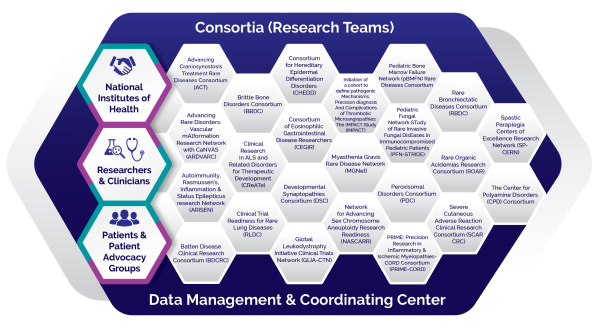
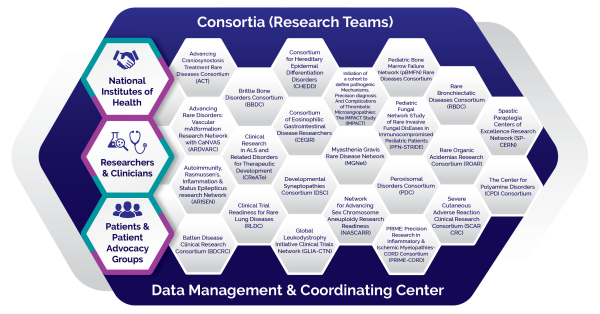
The Advancing Rare Disorders: Vascular mAlformation Research Network with CaNVAS (ARDVARC) is part of the Rare Diseases Clinical Research Network (RDCRN), which is funded by the National Institutes of Health (NIH) and led by the National Center for Advancing Translational Sciences (NCATS) through its Division of Rare Diseases Research Innovation (DRDRI). ARDVARC is funded under grant number U54HL185006 as a collaboration between NCATS and the National Heart, Lung, and Blood Institute (NHLBI).