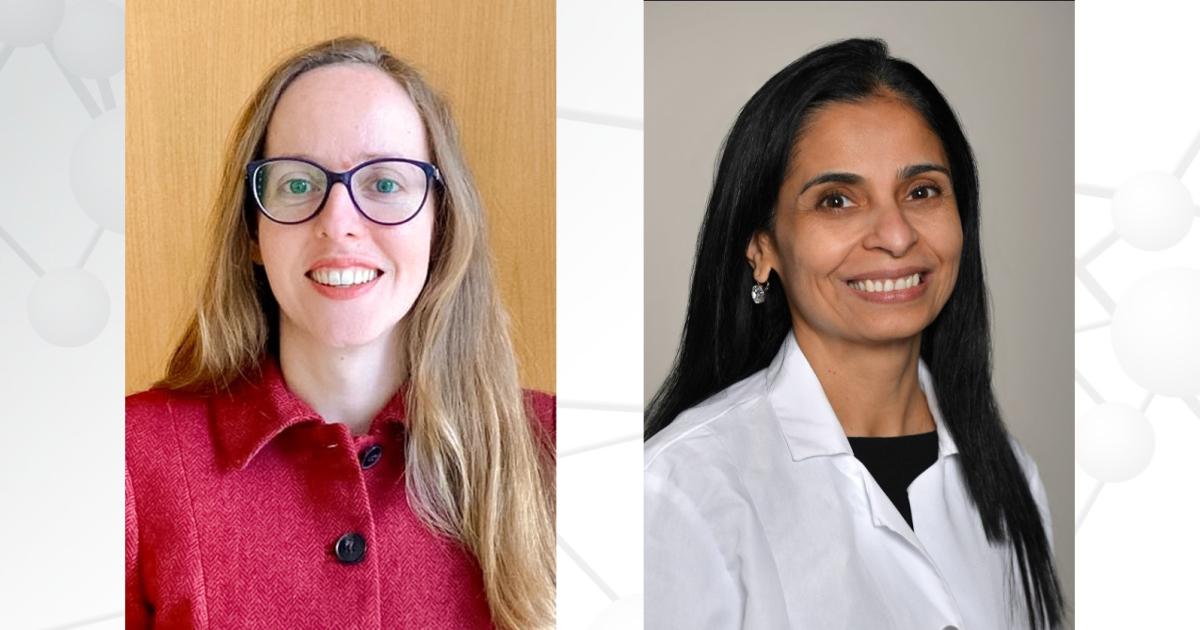
The Batten Disease Clinical Research Consortium (BDCRC) has awarded the 2026 Early Career Investigator Grant to Aikaterini (Katerina) Chatzipli, PhD, of Boston Children’s Hospital and Harvard Medical School, and the 2026 Pilot Project Grant to Ruchira Singh, PhD, of the University of Rochester School of Medicine and Dentistry.
Early Career Investigator Awardee
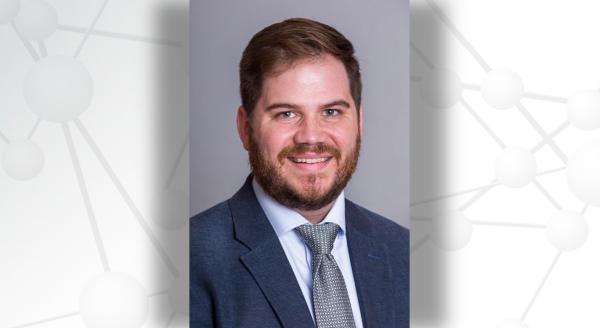
Dr. Chatzipli is a computational geneticist with a PhD in genetics from the University of Cambridge and postdoctoral training at the Wellcome Sanger Institute and Harvard Medical School. She developed computational and translational frameworks to improve interpretation of complex cancer datasets and helped redefine cancer evolution. After encountering Mila Makovec’s story and the development of Milasen, she shifted her focus to Batten disease to advance personalized therapeutic approaches.
“Hearing Mila’s mother share her daughter’s story for the first time was deeply moving,” says Dr. Chatzipli. “It took only moments to realize that my work needed to focus on rare, understudied diseases, because no patient or family should be left without hope for treatment.”
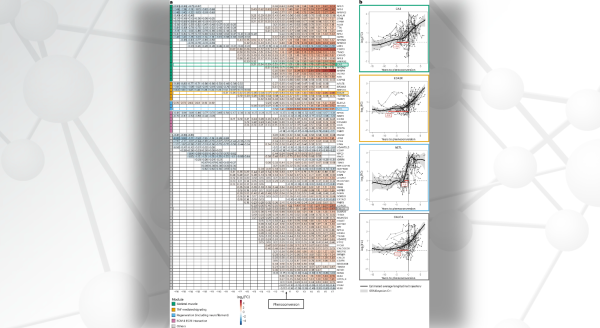
Dr. Chatzipli is leading a comprehensive study of disease-targeted therapies across the central nervous system using treated and untreated postmortem tissues. Her work is generating the first high-resolution atlas of cellular and molecular dysfunction in Batten disease and its response to precision therapies. Through this work, she aims to improve the efficacy, safety, and accessibility of therapies.
Pilot Project Grant Awardee
Dr. Singh leads the Stem Cell and Disease Modeling Laboratory at the University of Rochester. Her lab uses human induced pluripotent stem cell-derived retinal cells/tissue and relevant animal models to investigate the disease mechanisms of retinal and neurodegenerative diseases (e.g., CLN3 disease), with the ultimate goal of developing rational therapies.
There are currently no approved disease-targeted treatments for CLN3 disease, in part due to the lack of human-based models for testing therapies. Dr. Singh’s lab has developed a patient-derived retinal cell model that reproduces key features of CLN3, including photoreceptor loss. Using this model, Dr. Singh’s lab is testing several promising treatments at different stages of disease to assess their effectiveness in a human tissue system.
Learn more about the Batten Disease Clinical Research Consortium (BDCRC).