
How does hereditary spastic paraplegia type 4 (SPG4) change over time? What are doctors measuring as the disease unfolds? What is the day-to-day experience of patients and families?
Although SPG4 is the most common form of hereditary spastic paraplegia—a large group of inherited disorders that affect the long nerve pathways carrying movement signals from the brain down the spinal cord to the legs—these questions have largely gone unanswered.
To track down those answers, researchers from the Spastic Paraplegia Centers of Excellence Research Network (SP-CERN) have created the most detailed natural history of SPG4 to date. Their findings, published in the journal Brain, will help families know what to expect and researchers to develop new therapies.
A Mysterious Disease Course
SPG4 is caused by changes in the SPAST gene, which provides instructions for producing spastin, a protein in the nervous system that regulates cell structures. Many people with SPG4 have difficulty walking due to muscle weakness and rigidity in their legs, as well as overactive bodily reflexes, urinary urgency or bladder dysfunction, and mild loss of vibration sense in their feet.
Symptoms and time of disease onset can be very different from person to person—even within the same family—making it difficult to know how the disease will unfold over time.
“That gap matters now more than ever, because several promising therapies are moving toward clinical testing, and you can't design a trial or judge whether a treatment is working without knowing the expected disease course,” says Darius Ebrahimi-Fakhari, MD, PhD, principal investigator of SP-CERN.
In the window of time between childhood through early adulthood, the trajectory of SPG4 differs most from person to person. Because of this, researchers decided to focus on early-onset SPG4, when understanding these differences can make the biggest impact.
An International Collaboration
Now that the team had their study focus, they needed to bring together SPG4 researchers and patients from around the world—a challenge SP-CERN was built to take on. Through the network, clinical centers work together to collaborate on high-impact research initiatives.
For this study, seven international centers coordinated to enroll 206 patients with genetically confirmed SPG4. Each center contributed deeply phenotyped data—standardized motor scales, developmental histories, and patient-reported quality-of-life measures—all collected by neurologists with expertise in hereditary spastic paraplegia.
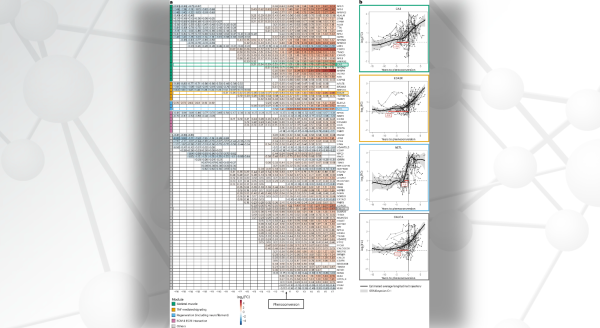
Researchers paired these insights with data from an additional 146 patients from previous studies. Results revealed 136 distinct SPAST variants, including 10 new variants. The team analyzed how these genetic variants are associated with protein structure and physical traits, linking different variants to mild, moderate, or severe outcomes.
In addition to a robust natural history of SPG4, these findings provide a framework to help identify potential risks patients could face based on their SPAST variant.
“For families, this means a genetic diagnosis can begin to come with a more informed sense of what may lie ahead,” says Dr. Ebrahimi-Fakhari. “Our stratification framework—which can be applied as soon as a pathogenic SPAST variant is identified—helps anticipate whether a child is more likely to follow a rapidly progressive course or a slower, biphasic one, which in turn guides how closely to monitor development, when to bring in multidisciplinary support, and which often-overlooked symptoms to watch for.”
A New Step Toward Effective Therapies
Knowing what to expect can help patients and families today, but it can also help patients and families in the future. A better understanding of SPG4’s natural history will make the next clinical trials more sensitive and better designed, bringing the community closer to effective therapies.
Now, researchers are focusing on validating and refining the framework as they learn more about different genetic variants and regions of the spastin protein. The team aims to develop outcome measures that better capture the features of severe SPG4, like upper limb, bulbar, and developmental involvement. Another aim is exploring how blood biomarkers could help track disease progression.
“Ultimately, the goal is to have this framework ready to support the first wave of interventional trials in SPG4,” says Dr. Ebrahimi-Fakhari. “When therapies are tested, we want to ensure that they are tested in the right patients with the right outcome measures.”
The Spastic Paraplegia Centers of Excellence Research Network (SP-CERN) is part of the Rare Diseases Clinical Research Network (RDCRN), which is funded by the National Institutes of Health (NIH) and led by the National Center for Advancing Translational Sciences (NCATS) through its Division of Rare Diseases Research Innovation (DRDRI). SP-CERN is funded under grant number U54NS148312 as a collaboration between NCATS, the Eunice Kennedy Shriver National Institute of Child Health and Human Development (NICHD), the National Human Genome Research Institute (NHGRI), and the National Institute of Neurological Disorders and Stroke (NINDS).