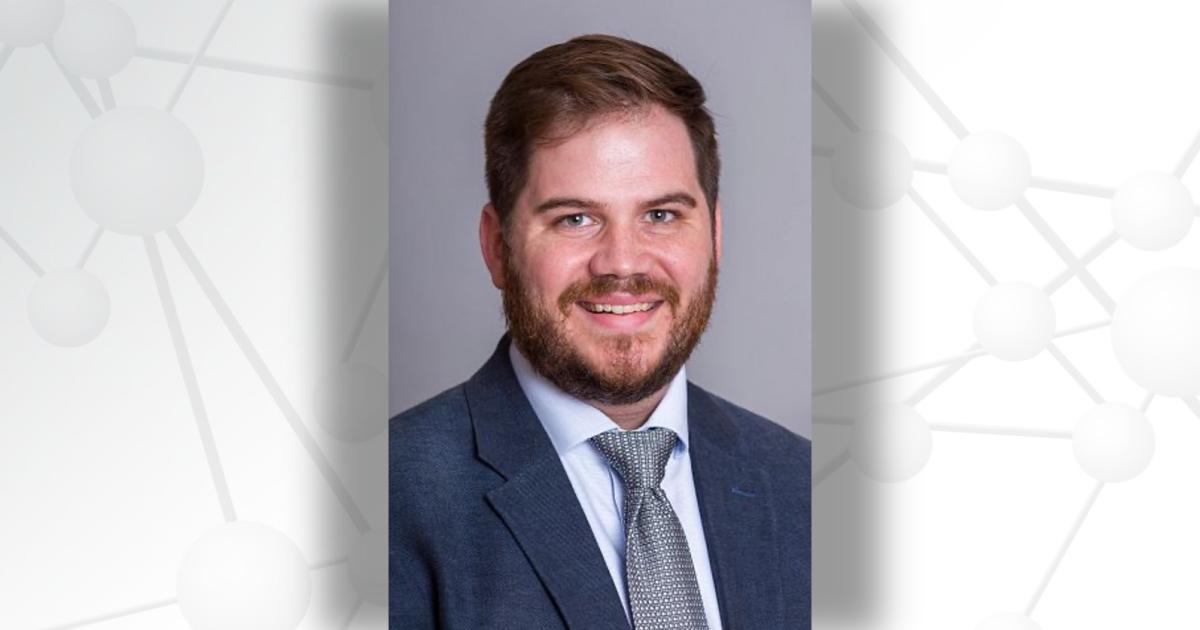
A new pilot study led by William Otto, MD, aims to use electronic health record (EHR)-based algorithms to improve identification of pediatric invasive mold infections in immunocompromised children. Dr. Otto is the first-ever recipient of the Pediatric Fungal Network STudy of Rare Invasive Fungal DisEases in Immunocompromised Pediatric Patients (PFN-STRIDE) Pilot Grant.
Invasive mold infections are life-threatening infections that affect children whose immune systems are weakened by cancer, bone marrow transplants, or immunosuppressive medications. Although rare, these infections can be devastating, causing severe illness and death in these high-risk children. Because they are uncommon, most of what we know comes from small studies at single hospitals or registries that may not capture the full picture, making it difficult to develop evidence-based guidelines for treatment.
To address this gap, Dr. Otto’s project will use Epic Cosmos, a large EHR database containing medical information from over 1,800 hospitals across the United States, including de-identified records from 50 million children.
Using this database, Dr. Otto and his team aim to develop reliable algorithms called computable phenotypes to identify children with invasive mold infections. These algorithms will combine diagnosis codes, laboratory and culture results, and antifungal medication records to find children who had these infections. The team will create separate algorithms for different invasive mold infections, including aspergillosis, mucormycosis, and fusariosis.
To confirm accuracy, the team will compare patients identified in Cosmos to patients identified through chart review at Cincinnati Children's Hospital Medical Center. Once validated, they will use these algorithms to describe how common these infections are in children across the country, what types of children are affected, what treatments they receive, and how they do over time.
“These cohorts and phenotype definitions will serve as the groundwork for future comparative effectiveness research addressing key clinical questions, such as identifying optimal antifungal regimens for fungal infections or evaluating the potential benefit of combination antifungal therapy,” says Dr. Otto. “The proposed work will have a major impact on advancing evidence-based treatment of invasive mold infections in immunocompromised children.”